

The showcase by the WHO Asia-Pacific Centre for Environment and Health in the Western Pacific (WHO ACE) was launched to showcase climate action beyond the health sector that delivers measurable benefits for health and well-being.
The health returns of climate action are real, but they remain undervalued in climate finance and policy. The WHO Global Action Plan on Climate Change and Health and the Belém Health Action Plan both call for intersectoral action that maximises these co-benefits. ATEC’s project is one case study showing what that looks like in practice.
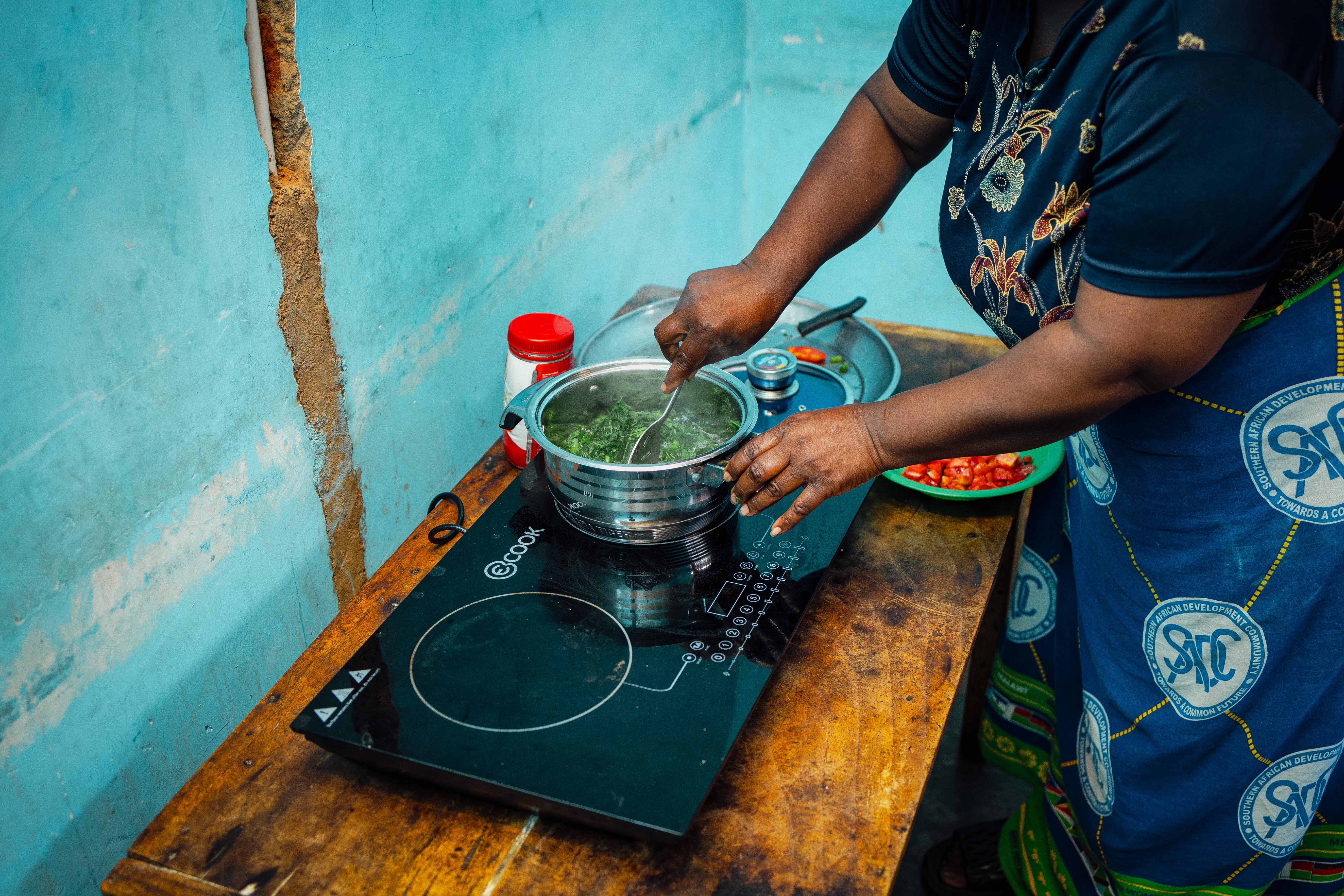
The 100% dMRV Electric Cooking Project, in partnership with KliK Foundation, is under a bilateral climate agreement between Malawi and Switzerland and supports the transition of grid-connected households from charcoal to electric cooking in Lilongwe and Blantyre districts. The project will distribute 76,000 IoT-enabled smart induction cookstoves to grid-connected households that currently rely primarily on charcoal for cooking.
The intervention aims to reduce 1,791,268 tonnes of CO₂e emissions by 2030. It is expected to deliver more than $80 million in household savings, generate $3.8 million in increased income, and free up more than 30 million hours for local communities. By replacing charcoal cooking with electric induction technology, the project seeks to improve household air quality, reduce health risks associated with smoke exposure, and contribute to Malawi’s climate goals through lower greenhouse gas emissions and reduced pressure on forests.
This project highlights the potential of international climate cooperation to translate emission reductions into meaningful economic and social benefits for communities while contributing to host countries' climate goals.